
Bringing Healthcare Access Home: Jamal Osman’s Record on Public Health
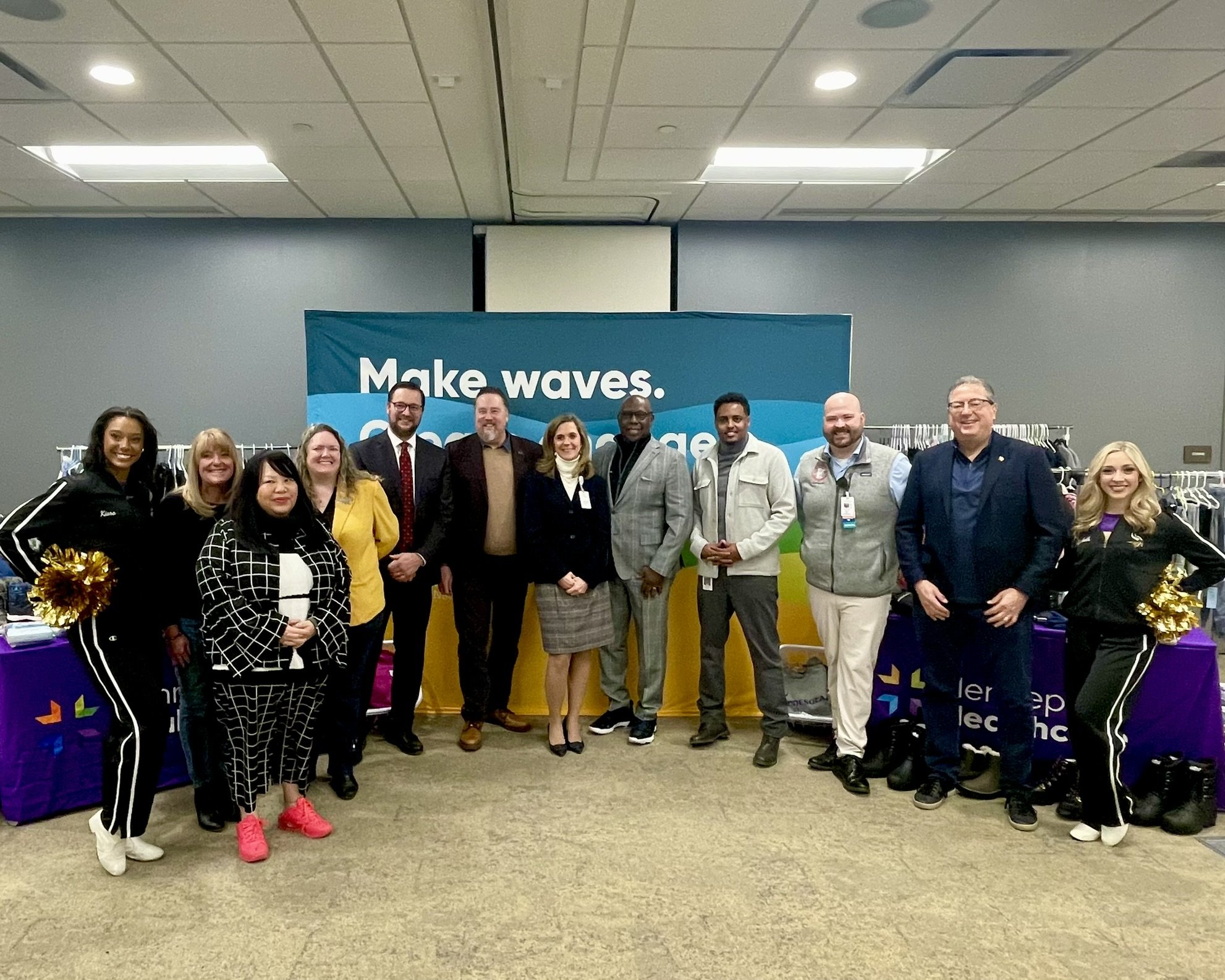
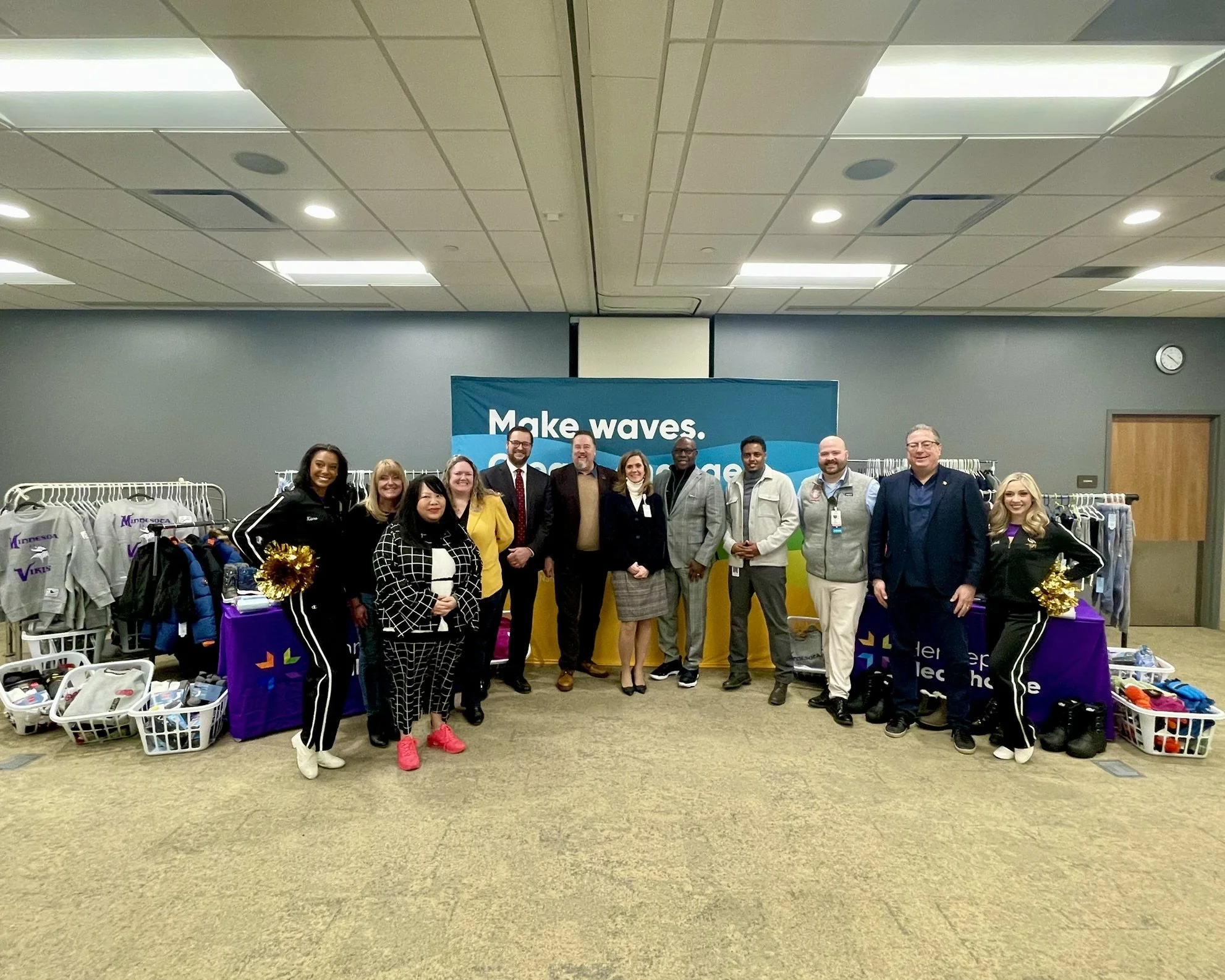
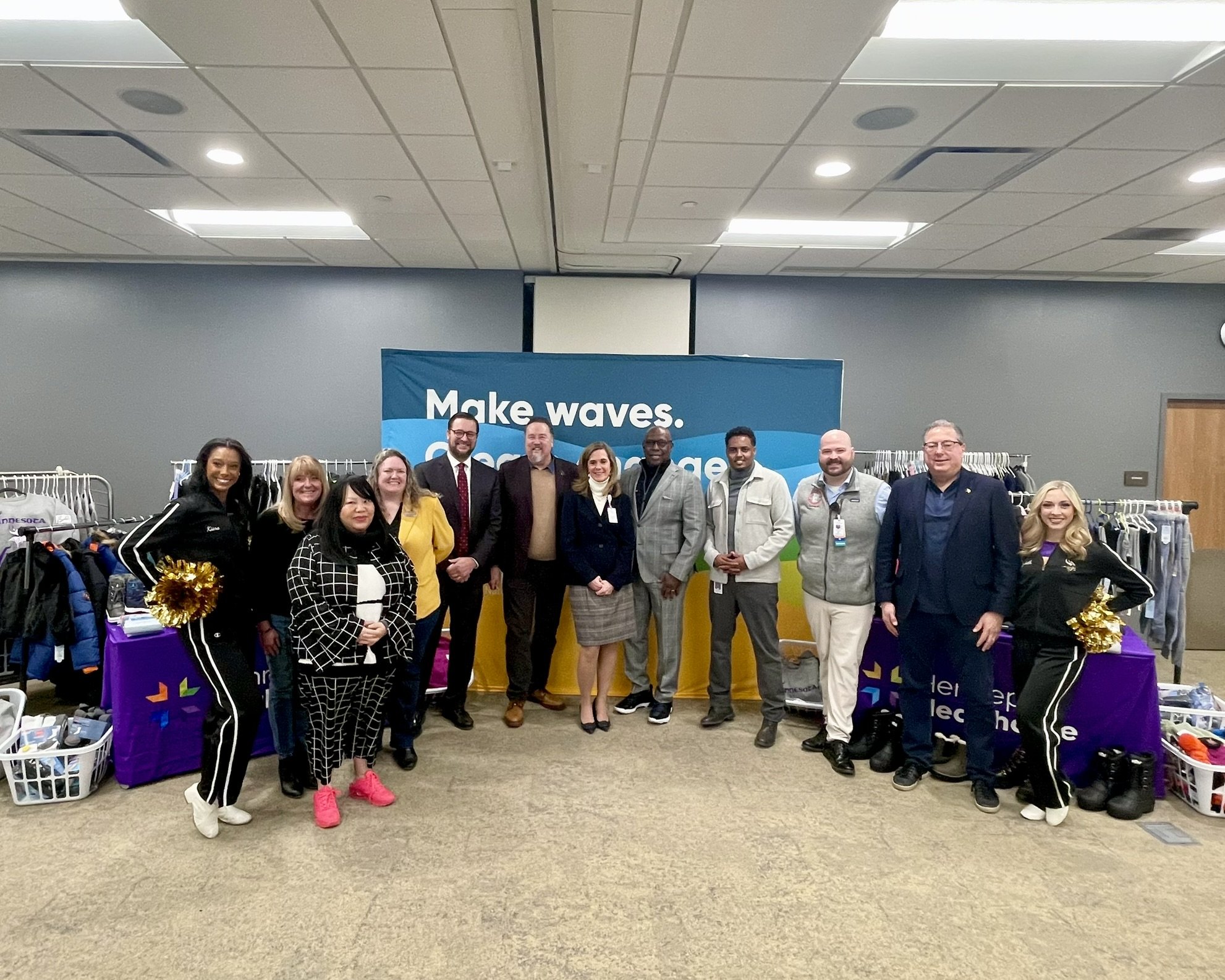
Bringing Healthcare Access Home: Jamal Osman’s Record on Public Health
October 18, 2025 - Minneapolis, MN
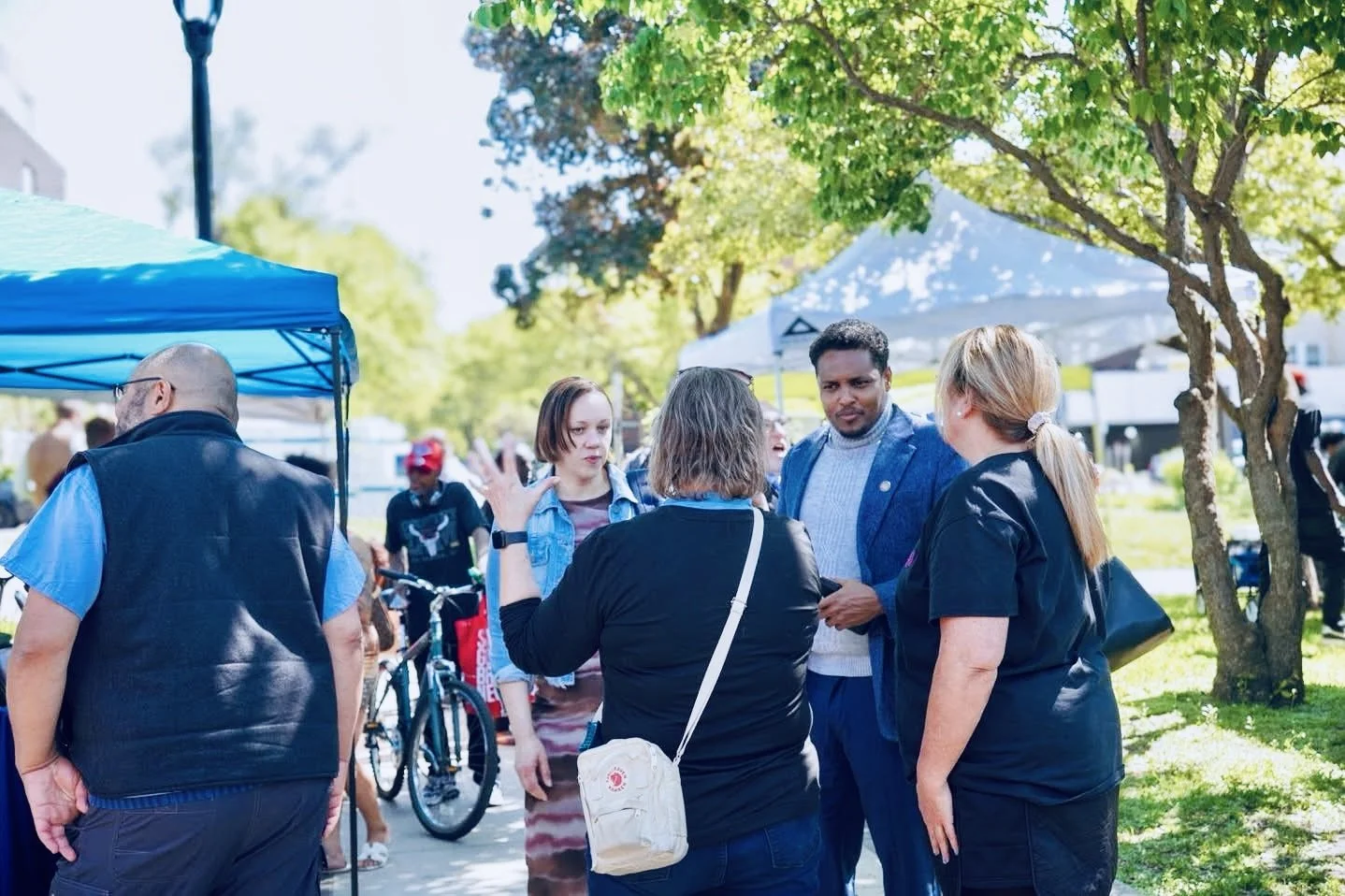
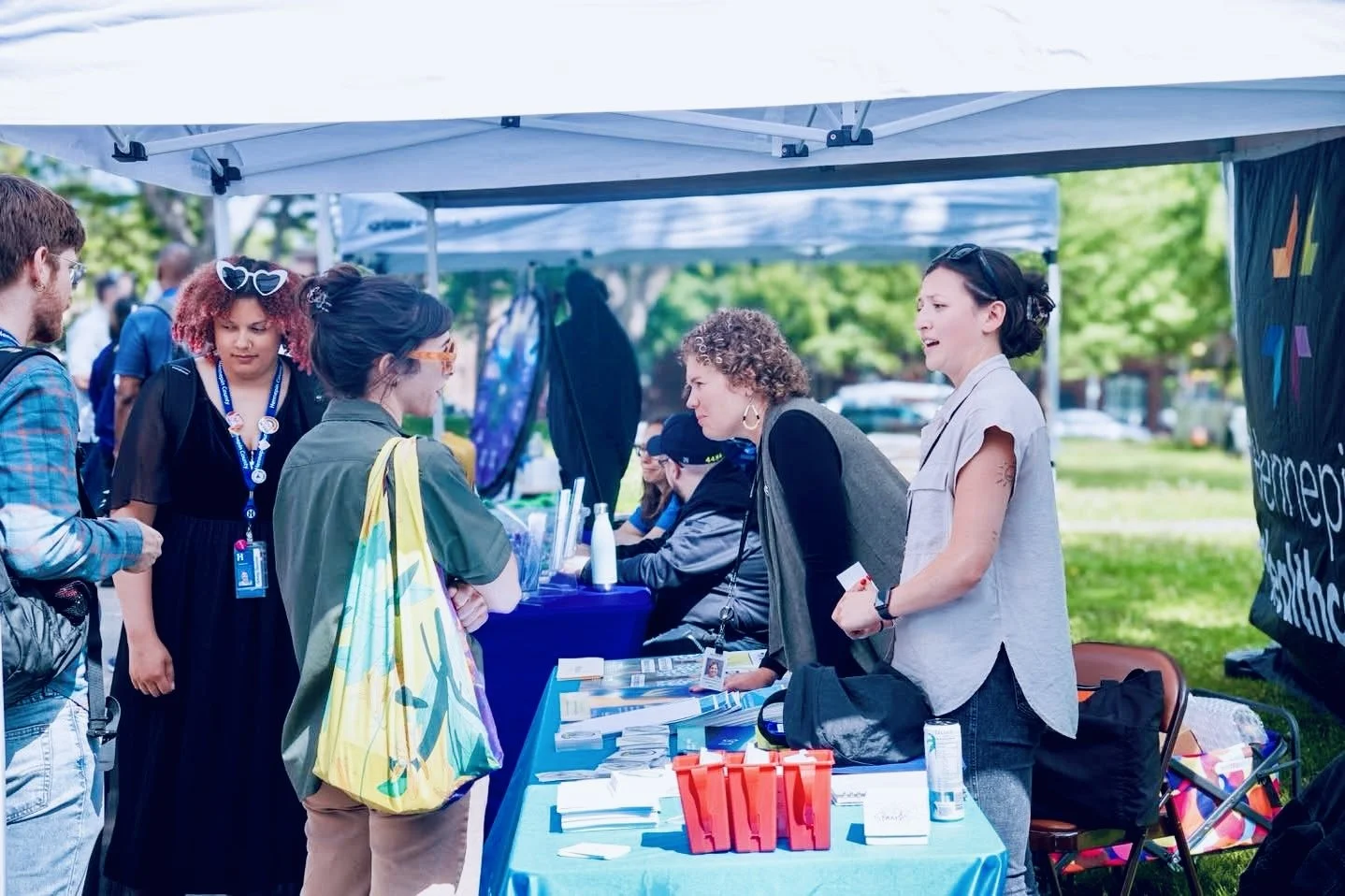
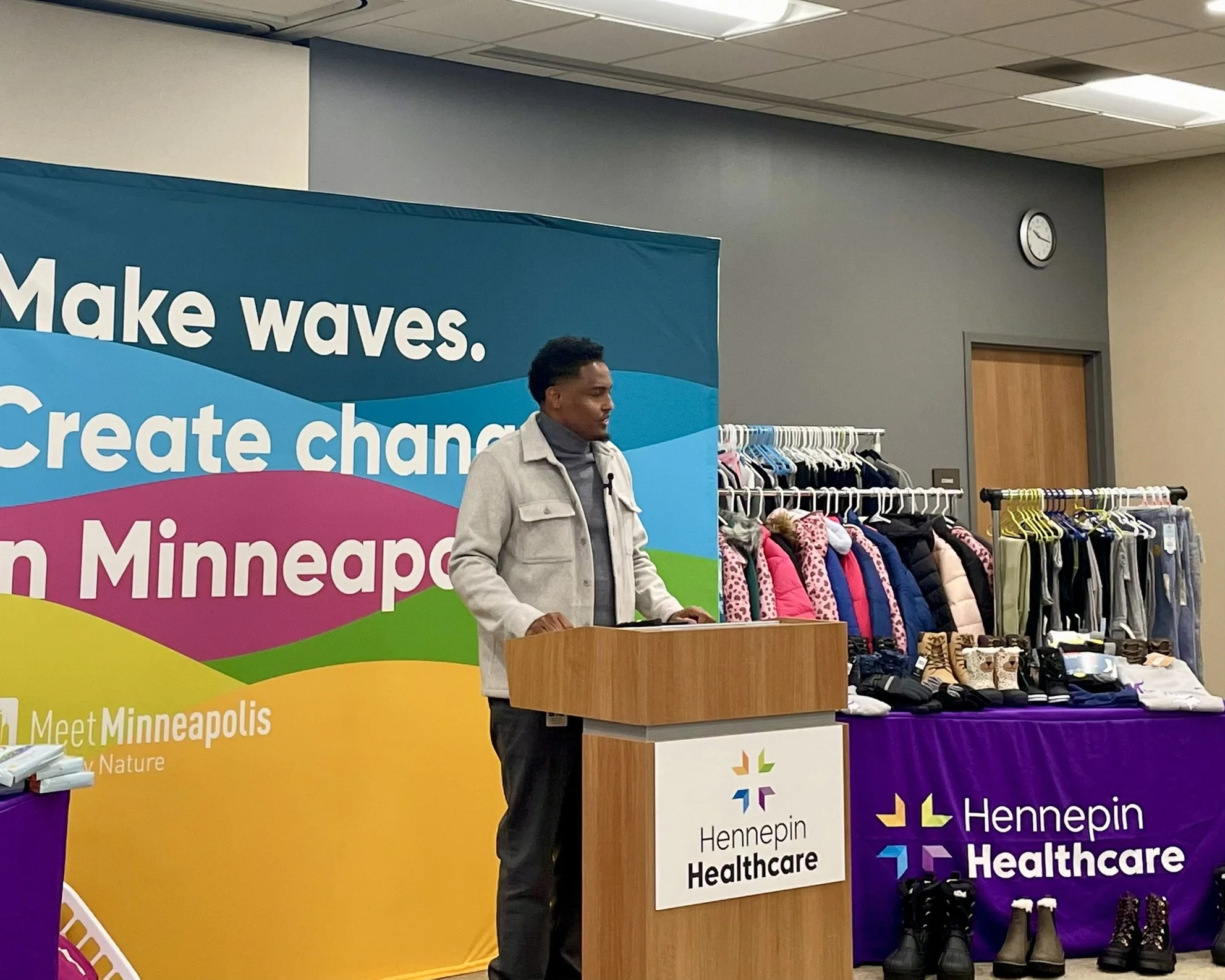
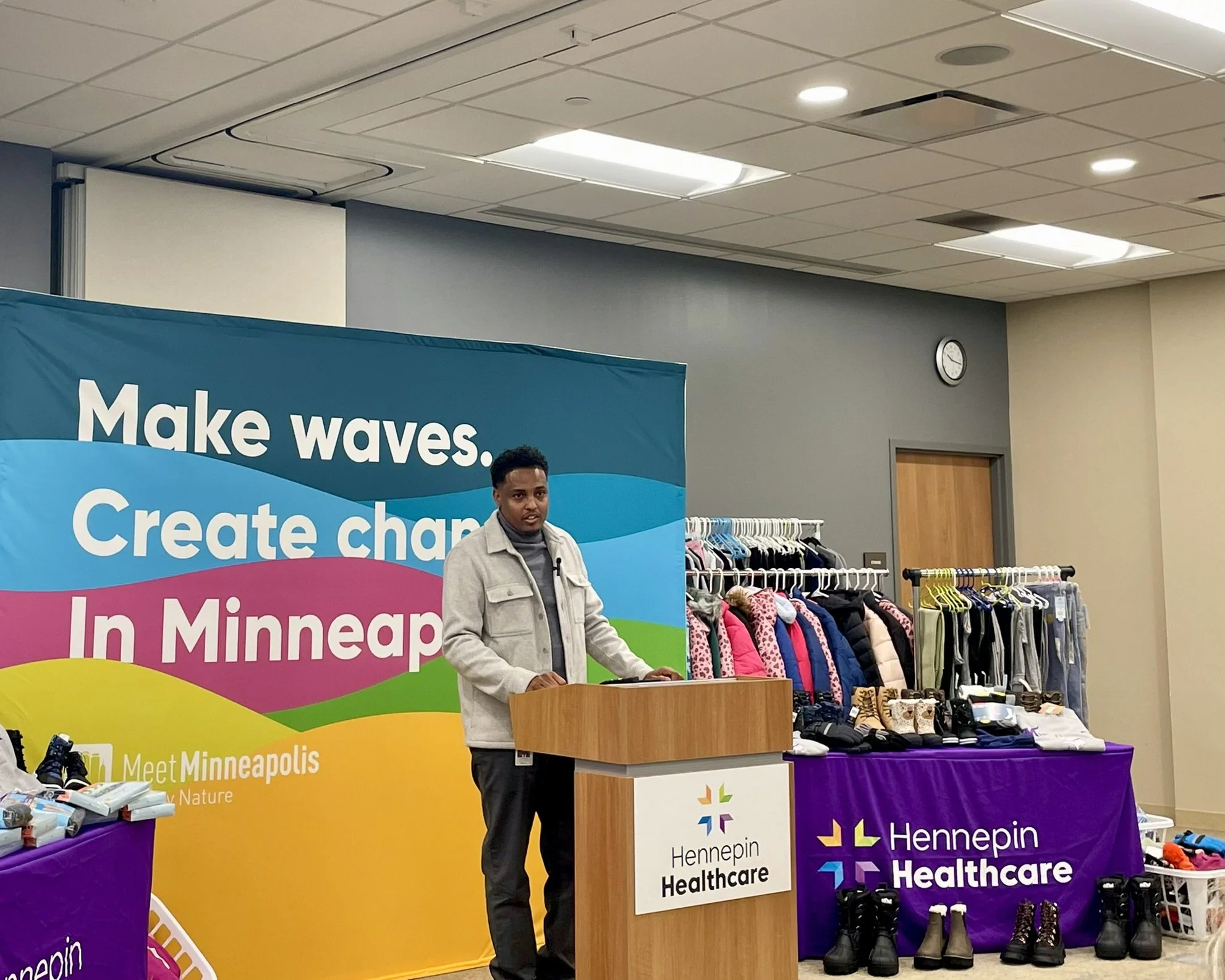
In Minneapolis too many families still struggle to access affordable care. Jamal has focused city policy on expanding access to healthcare - block by block, clinic by clinic. From neighborhood health centers to harm reduction outreach, his work shows what happens when leadership meets compassion.
For Jamal, public health is personal. As a father and mental health advocate, he has seen how untreated mental illness, addiction, and poverty intertwine. He knows that access to care is about more than medicine - it is about dignity, trust, and making sure every neighbor has the same chance to heal.
Launching Lifesaving Care in Minneapolis Neighborhoods
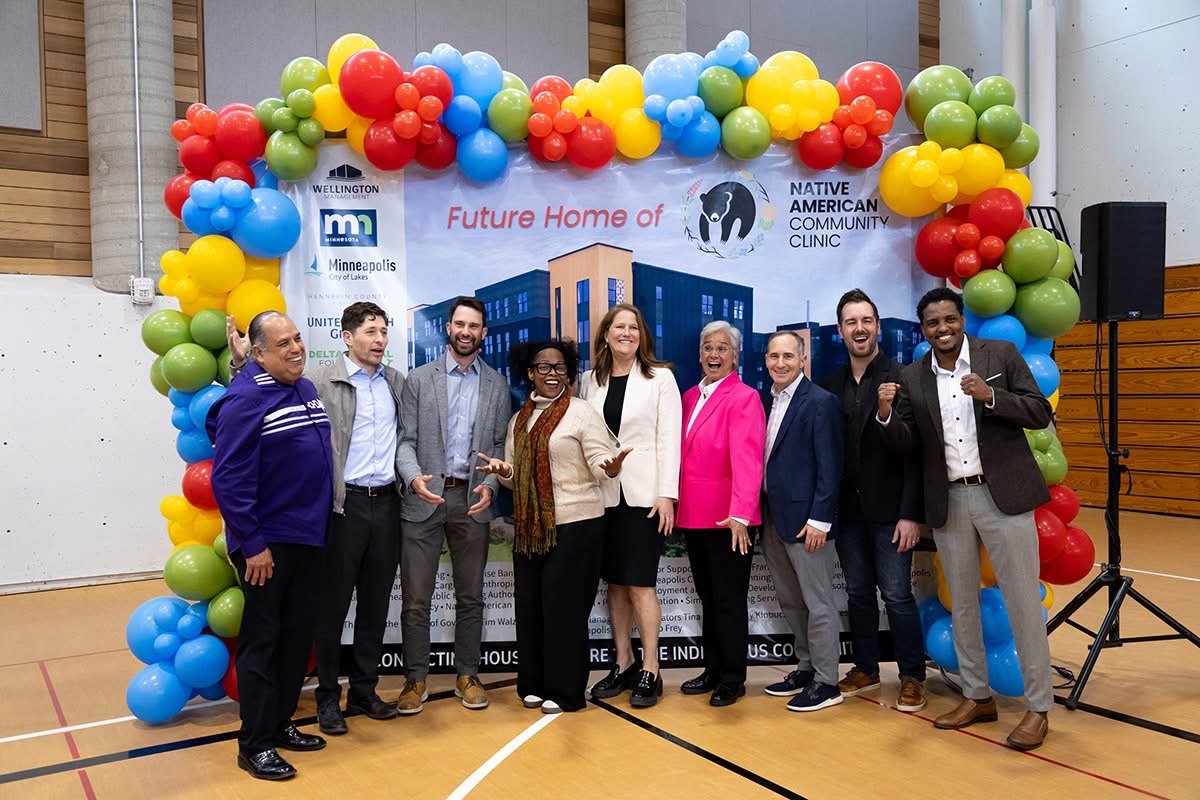
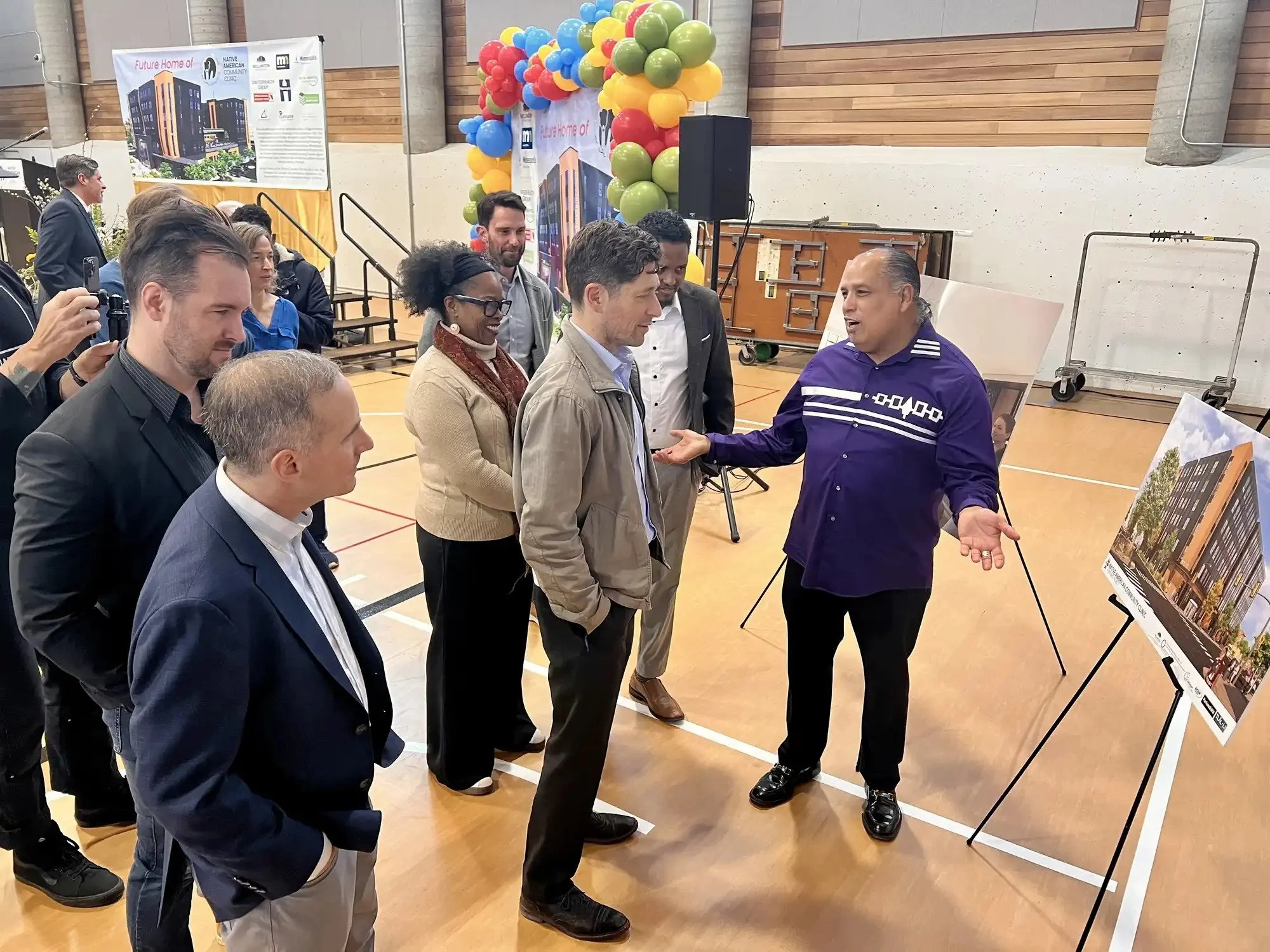
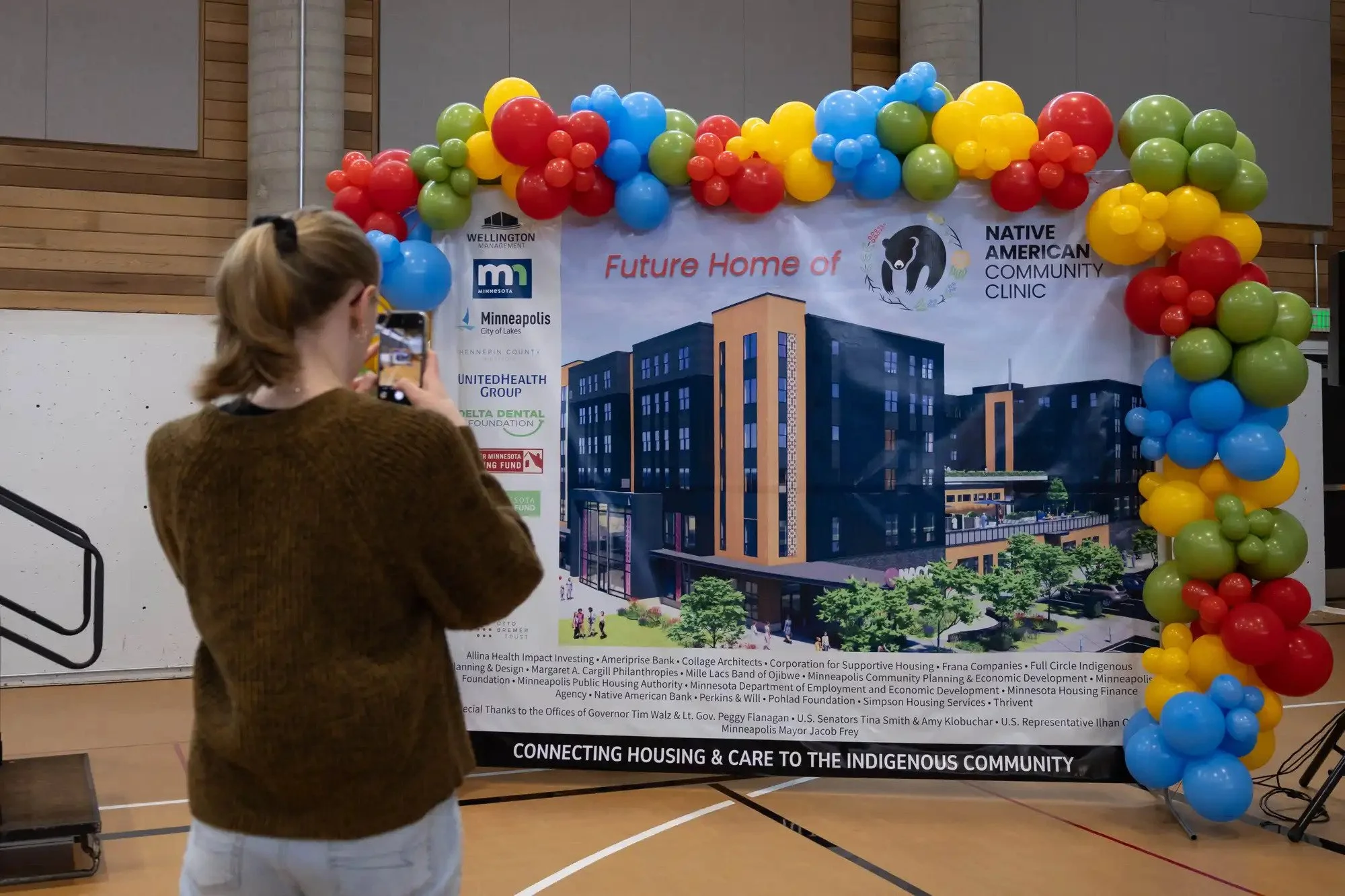
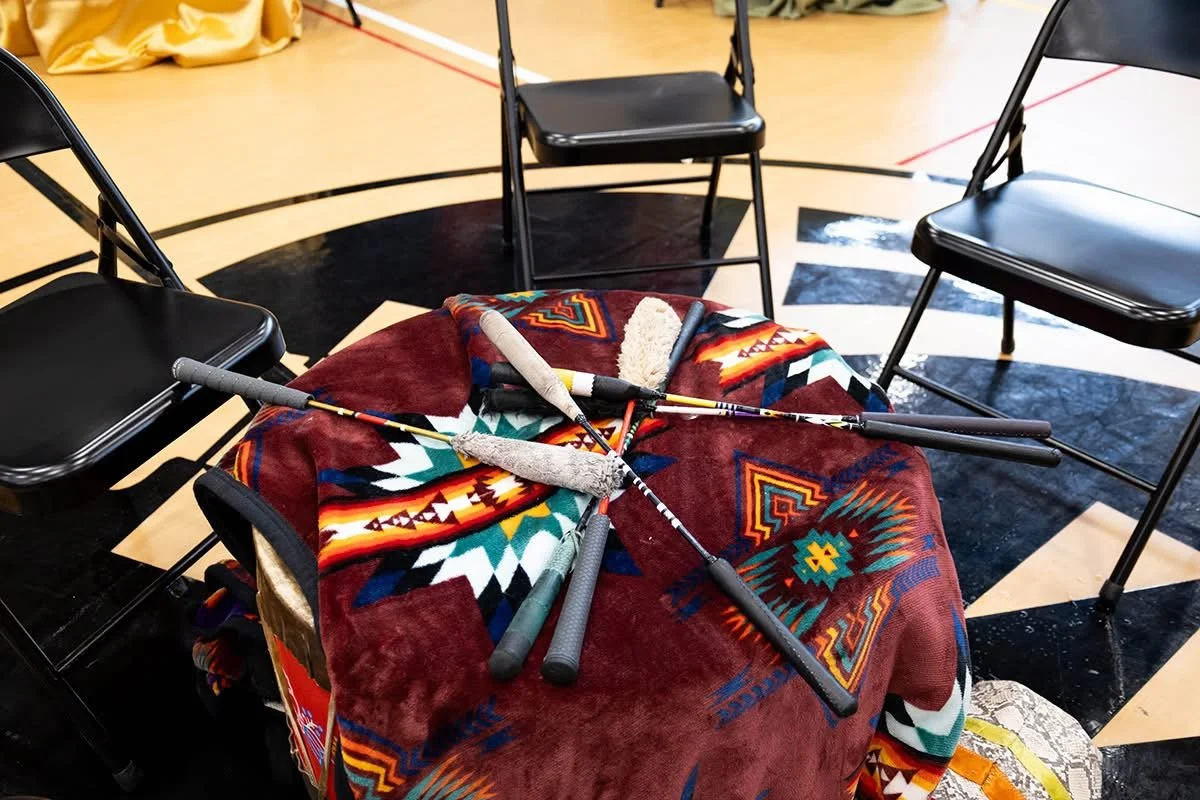
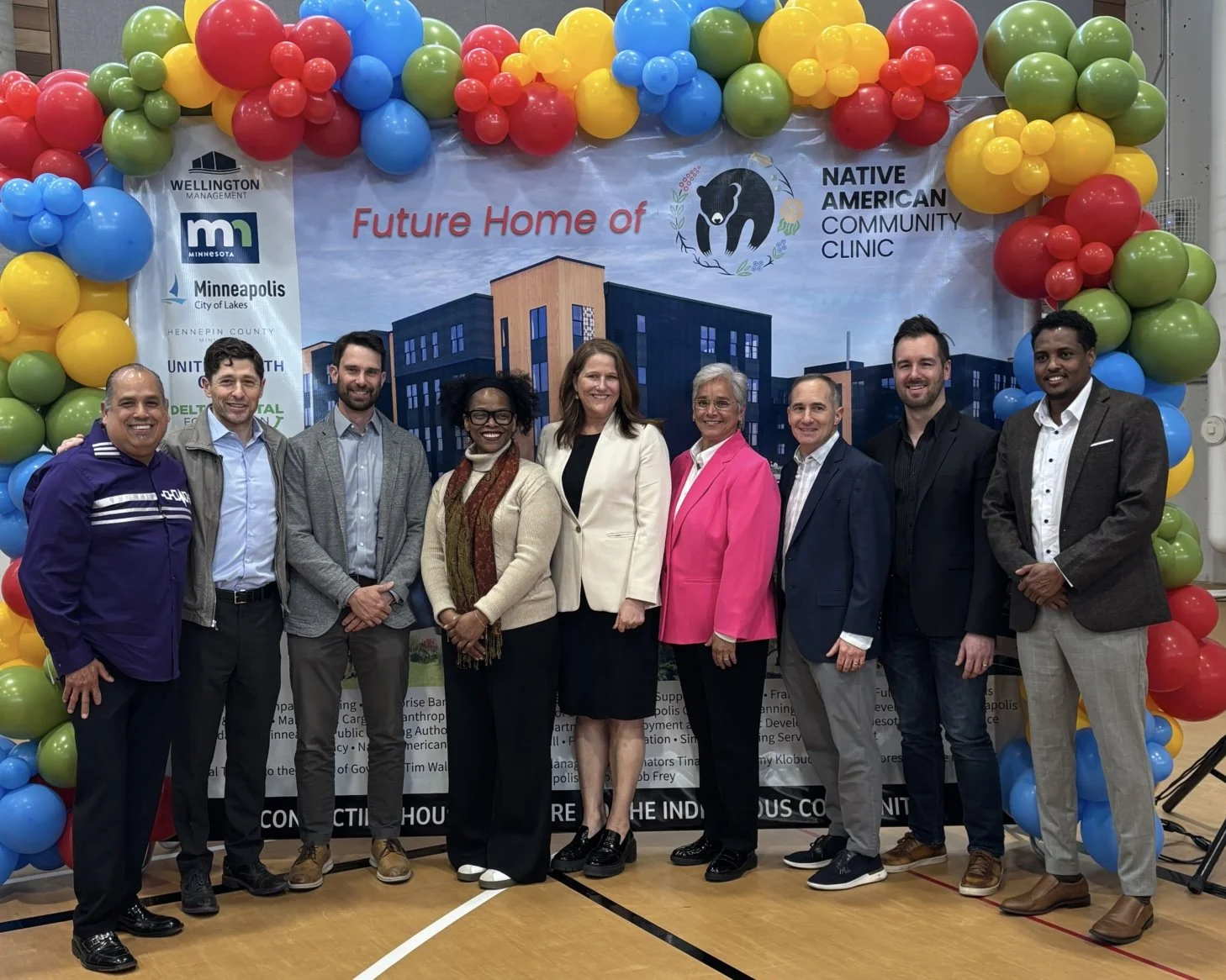
When residents across Minneapolis called for better access to affordable healthcare, Jamal listened - and delivered. In 2023, he helped forge new partnerships between Hennepin County, local nonprofits, and state and city leaders to expand the Native American Community Clinic (NACC) serving Phillips, Elliot Park, and Ward 6.
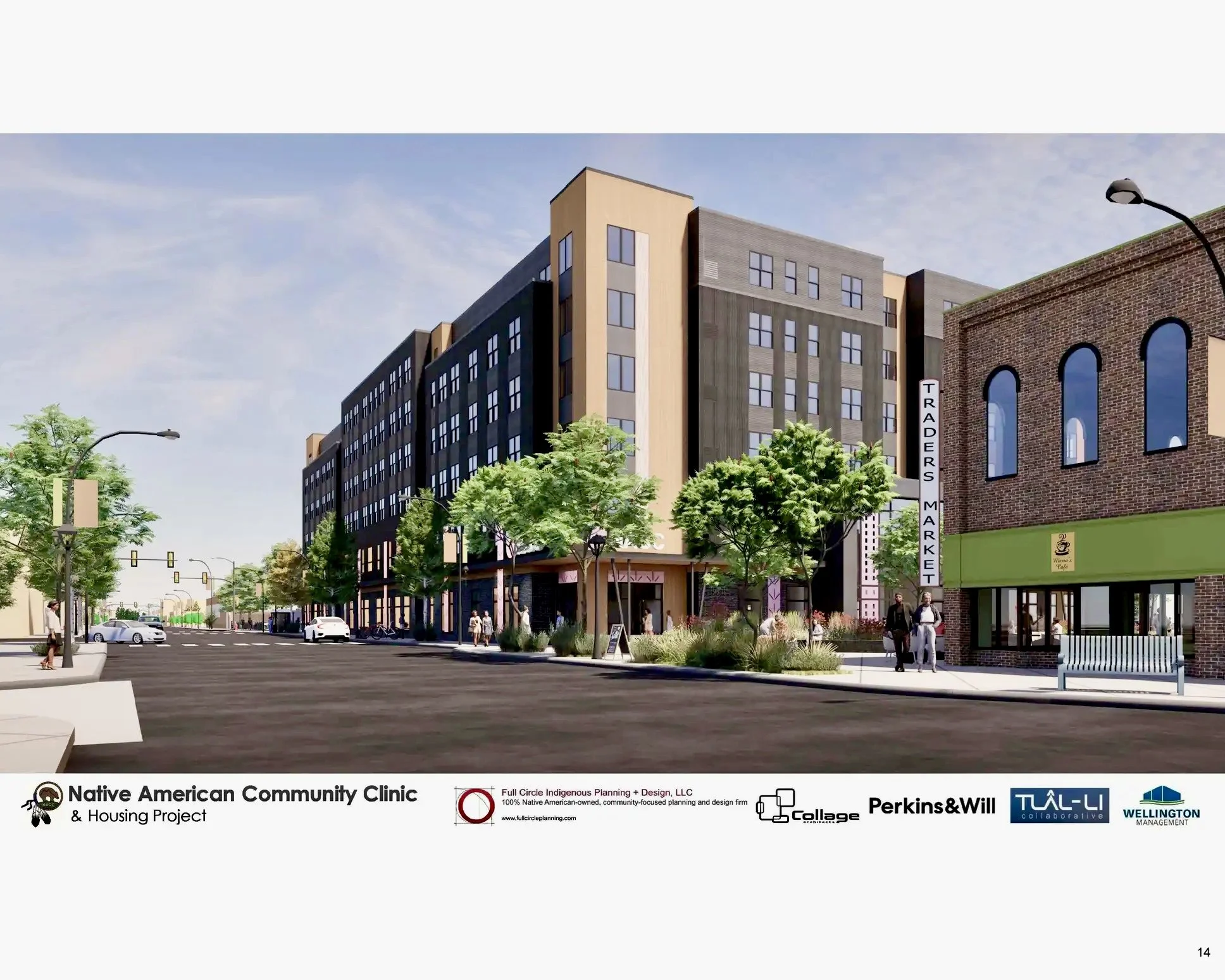
The project, which broke ground in spring 2025, will pair a new clinic with 83 units of affordable housing - allowing families to access culturally grounded care close to home. The expansion is supported by city tools like Housing Revenue Bonds and Affordable Housing Trust Fund investments, ensuring the work reflects both community priorities and fiscal responsibility.
“When people can get care close to home - in a place that respects their culture and their story - that is how we start closing the gaps that have been here for decades.” - CM Jamal Osman
Why this matters:
Ward 6 neighborhoods have some of the city’s highest emergency room usage rates, driven by a lack of nearby primary care. The NACC expansion will meet people where they are - with care, not obstacles - and serve thousands more residents each year as the new facility comes online.
Tackling the Opioid Crisis with Compassionate Outreach
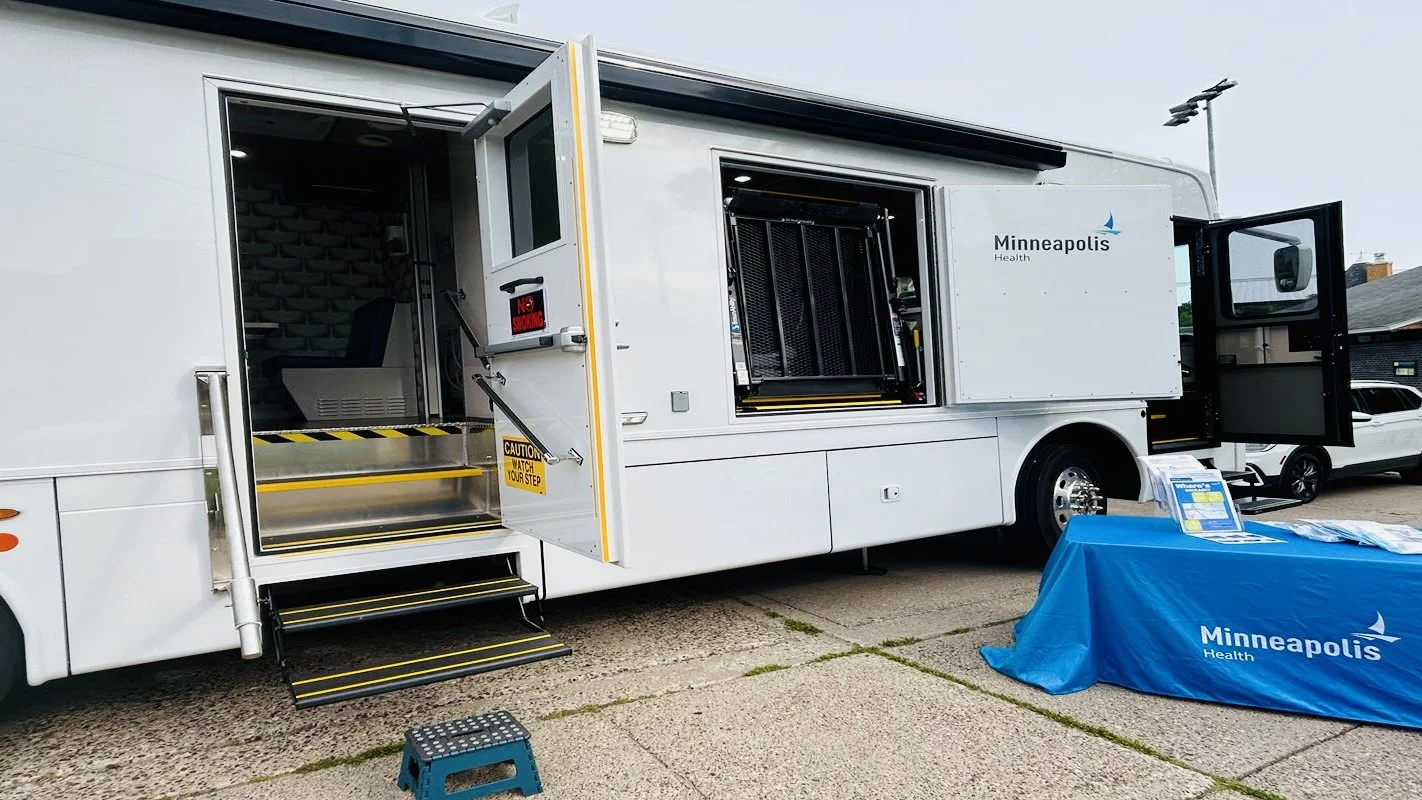
Across Ward 6 and beyond, Jamal has been a leading voice for harm reduction and recovery. Through the city’s opioid settlement funds - more than $18 million over 18 years - he supported key 2024 investments: $672,856 in ongoing funding and $680,000 in one-time resources for the Health Department to hire staff, purchase a mobile medical unit, and expand overdose prevention and recovery coaching programs.
Those investments, coordinated with county and state partners, led to the launch of Minneapolis’s first Mobile Medical Unit in August 2025 - providing private, dignified care in high-need areas like Cedar-Riverside and Elliot Park. The unit offers on-site screenings, wound care, counseling, and referrals, with medications for opioid use disorder now being added.
“Addiction is a public health issue, not a crime. Our job is to make sure every person has a path to recovery - no shame, no judgment, just help.” - CM Jamal Osman
Why this matters:
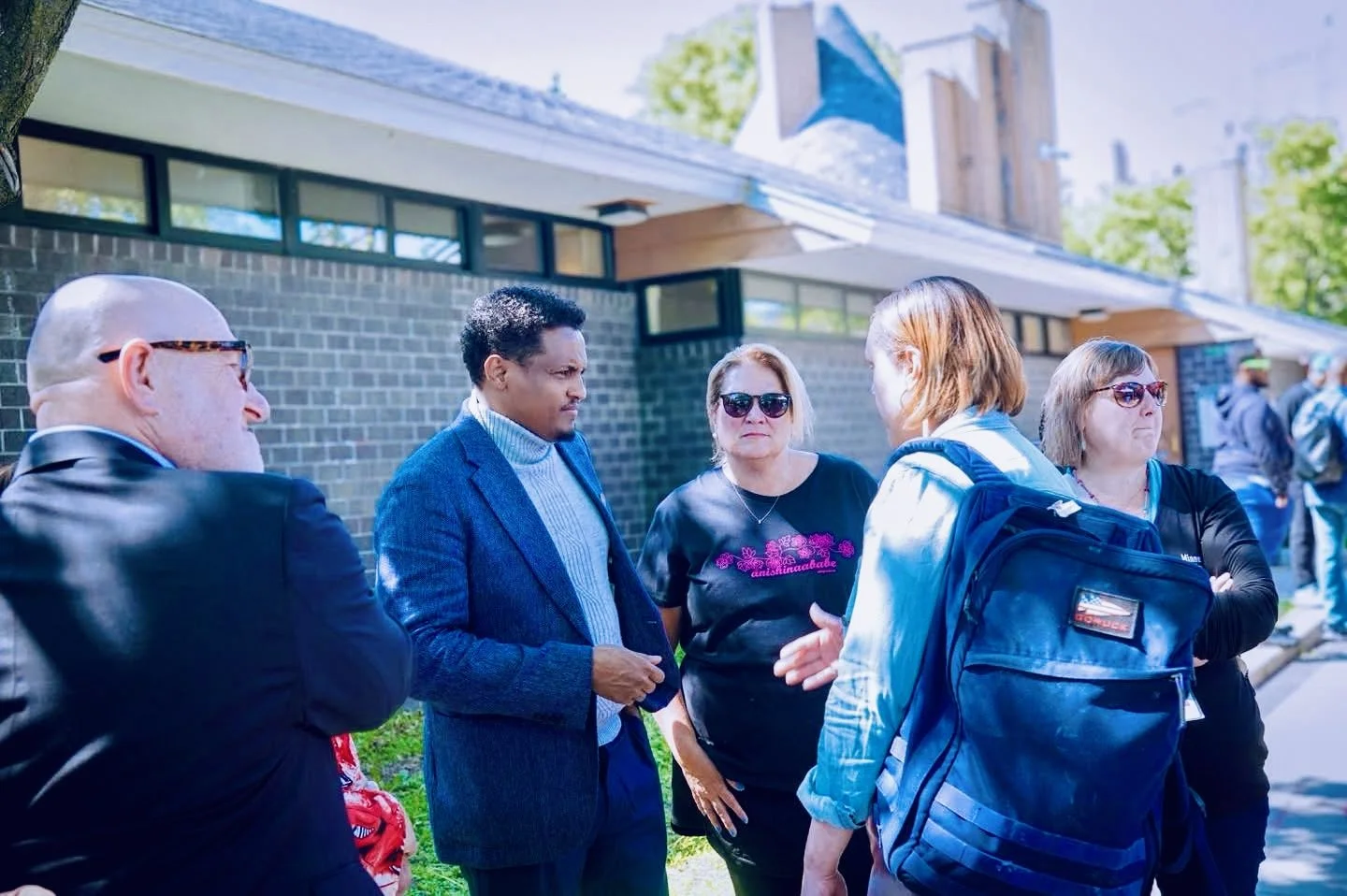
By partnering with faith leaders and recovery advocates, outreach teams are breaking down stigma and connecting residents to care in communities hardest hit by fentanyl. The city’s mobile unit brings that care directly to the block - saving lives and building trust where it is needed most.
Expanding Mental Health Crisis Response
For too long, 911 calls involving mental health crises led to police encounters instead of care. Jamal helped change that by championing the expansion of unarmed Behavioral Crisis Response (BCR) teams - trained professionals dispatched through 911 who specialize in de-escalation and trauma-informed support.
Under a city contract with Canopy Roots, the program now operates 24/7 and has delivered measurable results. In its first full year of round-the-clock service (July 2023 to July 2024), BCR teams responded to over 10,000 calls - averaging 874 per month - with zero injuries reported. More than 70 percent of cases resulted in direct service connections rather than arrests or hospitalizations.
“People in crisis deserve a calm voice and real support - not handcuffs. These teams show what it looks like when we respond with care first.” - CM Jamal Osman
Community impact:
The BCR model has become a blueprint for cities nationwide. It frees up police and EMT capacity, reduces strain on emergency rooms, and connects residents to lasting care - proving that public safety and public health can work hand in hand.
Supporting Second Chances with Reentry Health Programs
Health is key to rebuilding lives. Jamal has championed stronger coordination between the city, state, and nonprofit providers so people coming home from incarceration can access healthcare immediately - reducing relapse, reoffending, and homelessness.
A major state change effective in 2024 now allows eligible individuals to apply for Medicaid before release, ensuring they have access to treatment, prescriptions, and case management on day one. Locally, partnerships with programs like ReEntry House provide residential treatment and mental health services that stabilize people reentering the community.
“When we invest in people coming home, we invest in stronger, safer neighborhoods. No one should have to choose between their health and a second chance.” - CM Jamal Osman
Why this matters:
Connecting returning residents to healthcare tackles the root causes of instability - untreated illness, addiction, and trauma - and gives families the chance to rebuild together.
Expanding Treatment Access with the New Opioid Pilot
In May 2025, Jamal joined city and health leaders to launch a first-of-its-kind pilot program in Elliot Park offering Brixadi®, a long-acting injectable medication for opioid use disorder. The Minneapolis Health Department’s program connects residents to free medication, counseling, and insurance support for long-term recovery - with drop-in hours right in the community.
With trusted partners like M Health Fairview and the Native American Community Clinic alongside community groups such as Hue-MAN Partnership, the program shows what is possible when compassion, science, and community come together to save lives and restore hope.
“Every life saved from overdose is a victory for our whole city. We are proving that when government listens and acts with compassion, recovery becomes possible for everyone.” - CM Jamal Osman
Why this matters:
More than 90 percent of Minnesota’s opioid deaths involve fentanyl. By bringing treatment directly to high-need neighborhoods like Elliot Park, Jamal is proving that local government can lead with urgency, partnership, and hope.
A Healthier Future for All
Jamal’s record is clear: from Ward 6 to communities across Minneapolis, he is ensuring every neighbor has access to care, recovery, and dignity. His approach pairs fiscal responsibility with deep community partnership - proving that health equity is not just a promise, it is policy in action.
And the work continues. Jamal is advocating for stronger mental health parity in city insurance policies, expanded youth prevention programs, and sustained funding for harm reduction outreach through the late 2020s.
Resources and background:
Minneapolis Health Department: minneapolismn.gov/health
Opioid Outreach and Recovery: minneapolismn.gov/opioids
Elliot Park Brixadi Pilot: City News Release
Native American Community Clinic: nacc-healthcare.org
M Health Fairview: mhealthfairview.org
Mental Health Crisis Line: 988 (24/7)
Rank Jamal Osman #1 - because health, recovery, and dignity are worth fighting for.
Learn more: jamalosman.org
Media Inquiries: info@jamalosman.org
Thank you to the Ward 6 neighbors, health workers, and recovery advocates who make this progress possible. Together, we are building a healthier Minneapolis. ~ Team Jamal